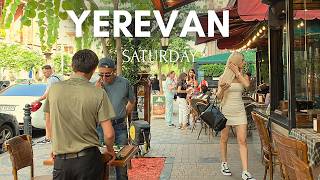
Gyumri walking tour & city guide
A historic city of black stone and humor.
Video by traveler_HIRO on YouTube. All rights belong to the creator. Like or comment on YouTube ↗
Gyumri, Armenia's second city, is known for its 19th-century houses of black and red tuff stone, its craftsmen and the famous humor of its people. Badly damaged by the 1988 earthquake, it keeps one of the most authentic historic districts in the Caucasus.
Kumayri and Vardanants Square
The Kumayri historic district has around 1,600 historic buildings, with carved stone facades and wrought-iron balconies along streets such as Rustaveli and Abovyan. Vardanants Square, the main square, faces the Church of the Holy Mother of God and the Church of the Holy Savior, restored after the earthquake.
Fortresses and views
The Black Fortress, a round 19th-century Russian fort on a hill, has views over the city, and the Mother Armenia statue stands on another hilltop nearby. Gyumri's museums celebrate local artists, craftsmen and the city's tradition of jokes and satire.
Top sights in Gyumri
- 1
Kumayri district
Streets of historic black-stone houses.
- 2
Vardanants Square
The main square with two churches.
- 3
Black Fortress
A round 19th-century fort.
- 4
Mother Armenia statue
A statue overlooking the city.
Food markets & where to eat in Gyumri
Kumayri district
Restaurants in restored historic houses.
Gyumri Central Market
Local produce, cheese and bread.
Food to try in Gyumri
Khash
A rich winter soup eaten in the morning.
Tolma
Stuffed vegetables or grape leaves.
Gata
A sweet layered pastry.
Opening hours and prices change often. Please check with each place before you visit.
Plan your trip to Gyumri
Enjoyed the walk? Here is everything you need to see it for real.
- Hotels in GyumriCompare places to stay and prices.
- Tours & ticketsWalking tours, museums and day trips in Gyumri.
- eSIM for ArmeniaStay online from the moment you land.
Some links may be affiliate links: if you book through them we may earn a small commission at no extra cost to you.